
Designing an optical network for the next stage of growth requires careful decisions about capacity, reliability, and operational flexibility. For many network operators, the challenge is no longer only about transmitting more data, but about managing complex services, maintaining consistent performance, and creating an infrastructure that can adapt to future requirements.
This is why an OTN system has become a critical technology in modern optical transport networks. By introducing standardized signal encapsulation, advanced monitoring capabilities, and efficient bandwidth management, OTN enables operators to build more intelligent and resilient optical infrastructures for long-distance transmission, data center connectivity, and mission-critical communication applications.
However, the performance of an OTN network depends heavily on the decisions made during the deployment stage. Factors such as system architecture, network capacity planning, equipment configuration, protection mechanisms, and maintenance strategies all influence the reliability and scalability of the final solution. A clear understanding of the OTN frame structure and its role in optical transport is essential for designing a network that can deliver stable performance over the long term.
In this guide, we will explore the key considerations involved in deploying an OTN system, from initial architecture planning to post-deployment optimization, helping network professionals make informed decisions when building reliable and scalable optical network infrastructure.
Before implementing an OTN system, engineers need to understand how the network architecture works and how different components contribute to overall performance. Unlike traditional optical transport technologies that mainly focus on signal transmission, OTN introduces a more structured approach by combining transport efficiency, service management, and network visibility.
The core advantage of OTN architecture is its ability to separate client services from optical transmission processes. Different types of signals, including Ethernet, storage traffic, and other high-speed data services, can be mapped into standardized OTN containers before being transmitted through optical channels. This allows operators to manage various services efficiently while maintaining consistent network performance.
The OTN frame structure is one of the most important elements supporting this capability. It provides additional overhead information for monitoring, management, and fault analysis during transmission. Through this structure, network operators can monitor signal quality, identify transmission problems, and improve troubleshooting efficiency without interrupting normal services.
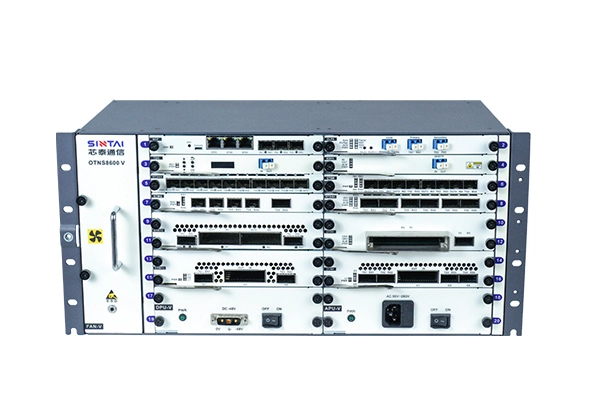
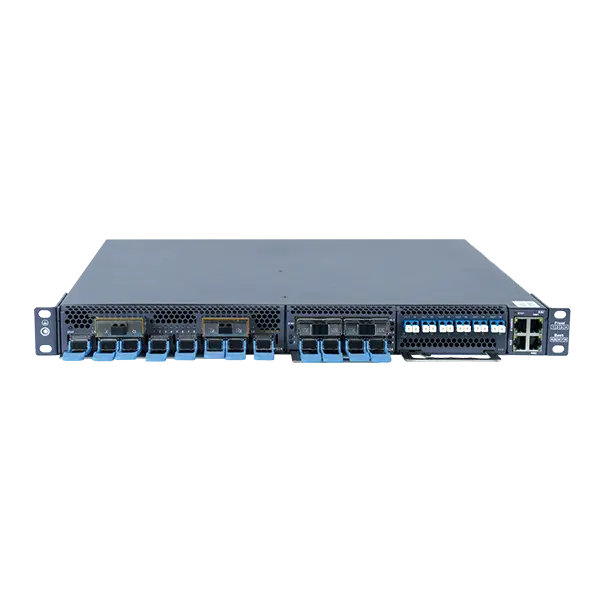
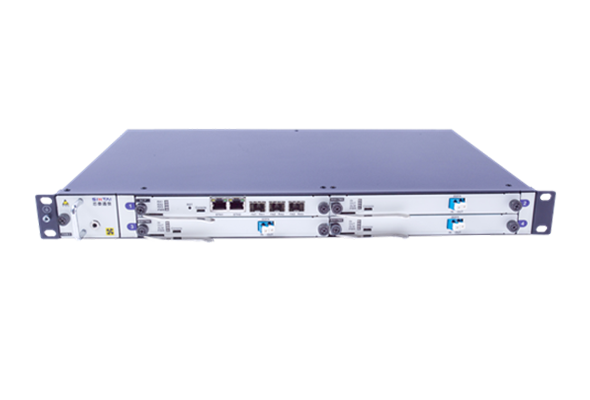
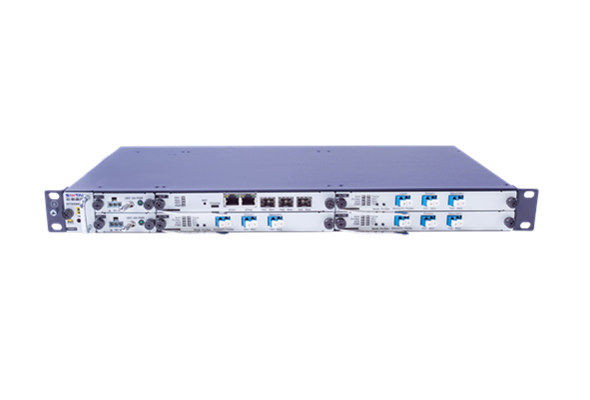
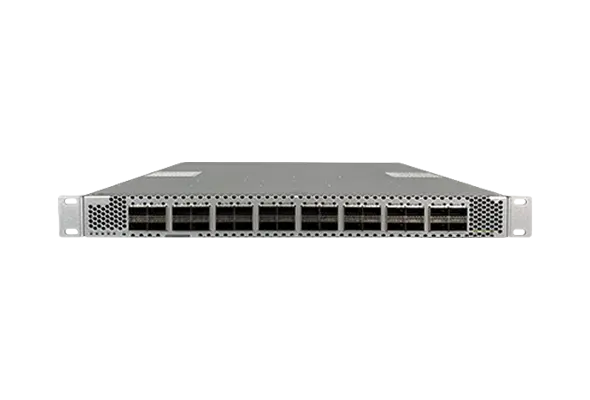
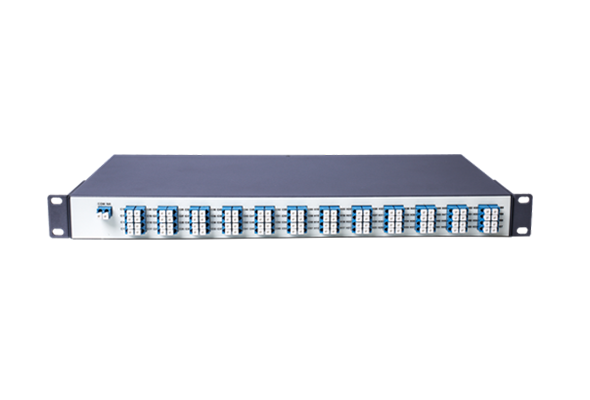
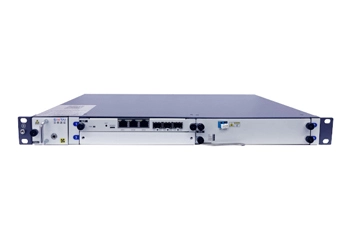
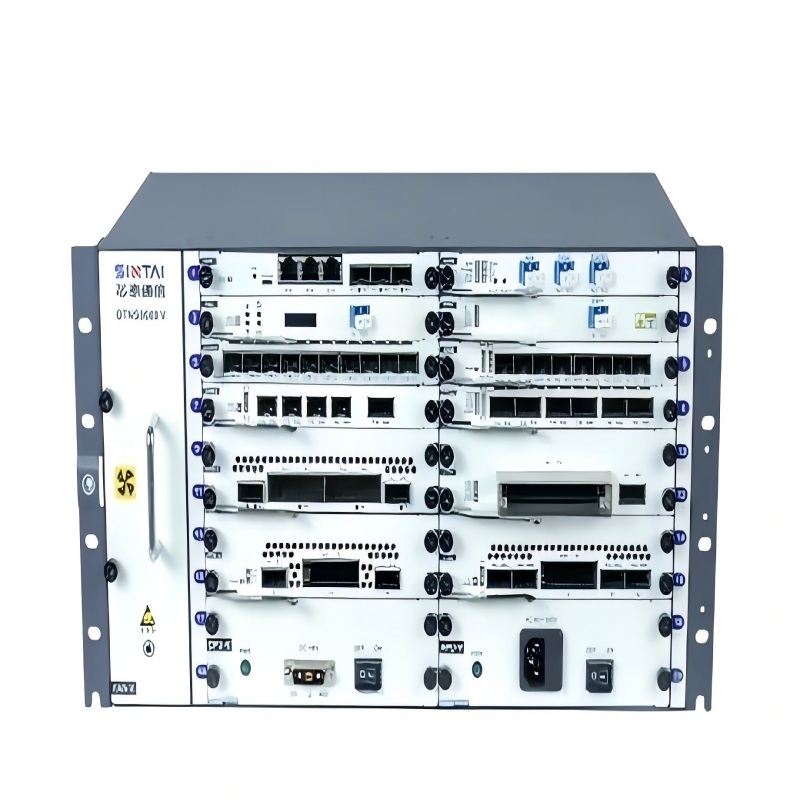
A typical OTN deployment includes optical transponders, optical multiplexing equipment, cross-connect devices, and network management platforms. Optical transponders convert client signals into standardized OTN signals, while multiplexing technologies combine multiple channels for efficient fiber utilization. Network management systems provide centralized control, allowing operators to configure services and monitor network status.
When selecting OTN equipment, compatibility, scalability, and management capabilities should be considered from the beginning. Optical Sintai provides optical communication solutions designed for different network environments, allowing customers to evaluate suitable equipment options through its optical networking products.

Capacity planning is a fundamental step in deploying an OTN system. A network designed without accurate traffic analysis may face bandwidth limitations in the future or result in unnecessary investment in excessive capacity.
Engineers should evaluate current service requirements, expected traffic growth, transmission distances, and the number of network nodes before selecting an OTN configuration. For example, a telecommunications backbone network usually requires high-capacity transmission over long distances, while a data center interconnection project may focus more on flexible bandwidth allocation and low-latency communication.
The OTN frame structure helps improve resource utilization by allowing different client signals to be efficiently organized and transported. Instead of allocating fixed resources for every service, OTN enables more flexible bandwidth management based on actual application requirements.
Future expansion should also be considered during the planning stage. Selecting a modular OTN platform allows operators to increase capacity, add new services, or upgrade interfaces without replacing the entire network infrastructure. This approach reduces long-term operating costs and improves investment efficiency.
Different industries require different optical network capabilities. Choosing the right OTN system configuration depends on application requirements, reliability expectations, and future development plans.
| Application Scenario | OTN System Requirements | Deployment Benefits |
|---|---|---|
| Telecommunication Backbone Networks | High-capacity transmission, wavelength management, and network protection | Supports large-scale communication services across long distances |
| Data Center Interconnection | Flexible bandwidth allocation, high-speed interfaces, and efficient traffic management | Improves connectivity between distributed data centers |
| Electric Power Communication Networks | High reliability, fault monitoring, and stable operation | Ensures communication availability for critical infrastructure |
| Enterprise Optical Networks | Scalable capacity and simplified management | Provides flexible connectivity for business applications |
For telecommunications providers, an OTN system must support large amounts of traffic while maintaining reliable operation across complex network environments. Advanced protection and monitoring features are particularly important because service interruptions can directly affect customer experience.
In electric power communication networks, reliability is often the highest priority. These networks support operational monitoring and control systems, meaning stable communication performance is essential. OTN technology provides the monitoring capabilities and protection mechanisms required for these demanding applications.
For data center operators, scalability and flexibility are becoming increasingly important. As cloud services and digital applications continue to expand, OTN provides a practical solution for managing growing bandwidth requirements while maintaining efficient network operations.
Network reliability is one of the primary reasons organizations choose an OTN system. Optical networks often carry critical services, and unexpected failures can lead to significant operational impact.
Several technical capabilities contribute to reliable OTN operation. Protection switching mechanisms help maintain service continuity by automatically transferring traffic when a network path experiences a failure. Meanwhile, the monitoring information contained within the OTN frame structure enables engineers to analyze transmission performance and quickly locate potential issues.
During deployment, engineers should also consider optical power levels, fiber quality, equipment redundancy, and environmental conditions. These details directly affect network stability and long-term service performance.
A reliable OTN network is not only defined by transmission speed. It also requires effective management visibility, allowing operators to understand network conditions, optimize resources, and prevent potential failures before they affect services.
The deployment process does not end after hardware installation. Proper integration, testing, and maintenance are essential to ensure that an OTN system operates according to design expectations.
During integration, engineers configure optical interfaces, service mappings, protection settings, and network management functions. Each connection and configuration parameter must be verified to ensure that client services can operate correctly across the optical network.
Testing procedures usually include optical signal verification, service connectivity checks, alarm testing, and protection switching validation. These tests help identify configuration errors and reduce risks before the network enters full operation.
After deployment, continuous monitoring becomes an important part of network management. By analyzing performance information provided through the OTN architecture, operators can identify abnormal trends, optimize resources, and perform preventive maintenance.
For organizations planning a new optical network deployment or upgrading an existing infrastructure, professional technical support can help reduce implementation risks. Optical Sintai works with customers to provide suitable optical communication solutions based on specific project requirements. More details and consultation options are available through the Optical Sintai contact page.
Future optical networks will require higher capacity, greater flexibility, and more intelligent management capabilities. A scalable OTN system provides the foundation needed to support these evolving requirements.
Modern OTN solutions are continuously improving through higher-speed interfaces, software-based management platforms, and more flexible bandwidth allocation technologies. The development of the OTN frame structure also strengthens network monitoring and service management capabilities.
By selecting scalable optical infrastructure from the beginning, organizations can avoid frequent network redesigns and reduce future upgrade costs. Whether used in telecommunications, industrial communication, data centers, or enterprise networks, OTN technology provides a reliable path toward long-term optical network development.
Deploying an OTN system requires a comprehensive approach that covers architecture planning, capacity evaluation, equipment selection, reliability design, and lifecycle management. Every decision made during deployment directly affects the network’s ability to support current services and future growth.
The OTN frame structure provides the foundation for efficient transmission, monitoring, and fault management, while scalable OTN technologies help organizations create optical networks that are reliable, flexible, and ready for future demands.
With professional optical communication expertise and customized solutions, Optical Sintai helps customers build efficient optical infrastructures that support stable operation and long-term network evolution.
An OTN system is an optical transport solution designed to transmit, manage, and protect high-capacity data services across optical networks.
The OTN frame structure provides monitoring and management information that helps improve transmission reliability and fault detection efficiency.
Important factors include network capacity, application requirements, scalability, protection needs, equipment compatibility, and maintenance strategy.
OTN systems are widely used in telecommunications, data centers, electric power communication networks, and enterprise optical infrastructures.
Yes. A scalable OTN system can support future expansion through modular upgrades and flexible bandwidth management.
Continuous monitoring, regular testing, preventive maintenance, and professional technical support help maintain stable OTN network performance.




 English
  русский
  Indonesia
  Español
  português
  العربية
  français
  Deutsch
  हिंदी
हिंदी  tiếng việt