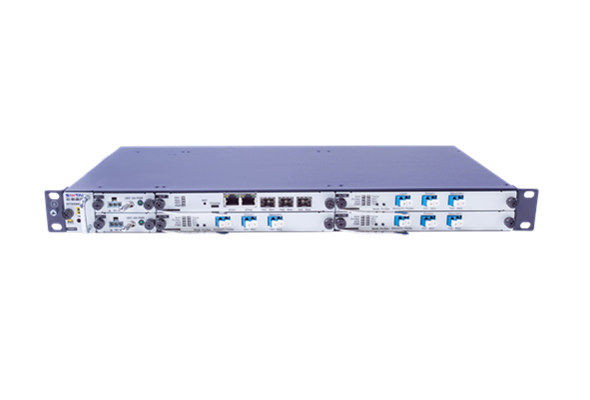
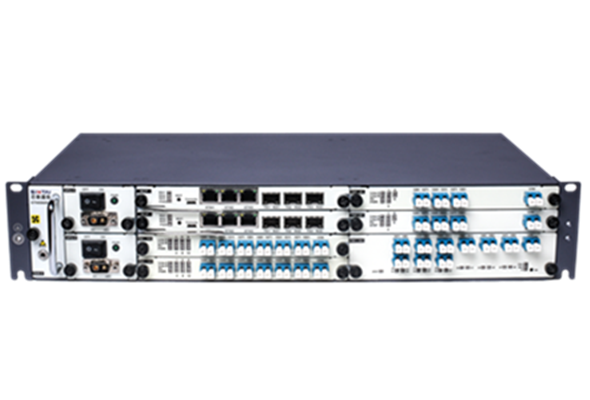
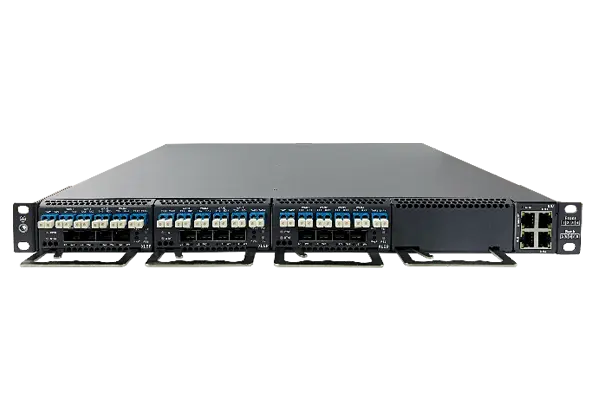
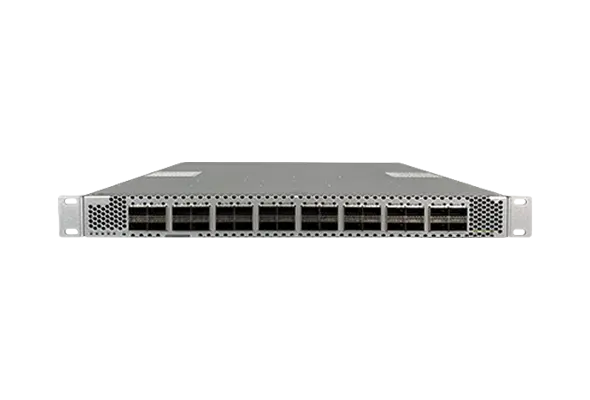
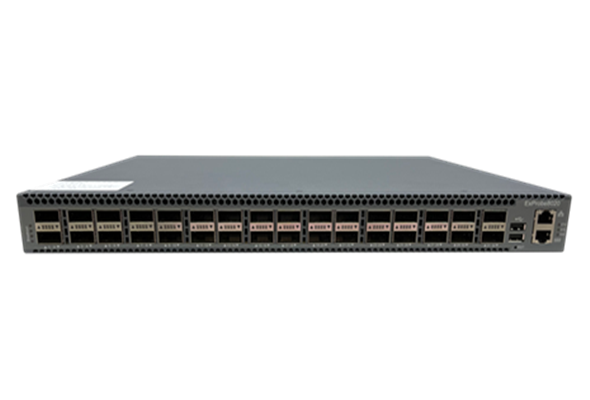
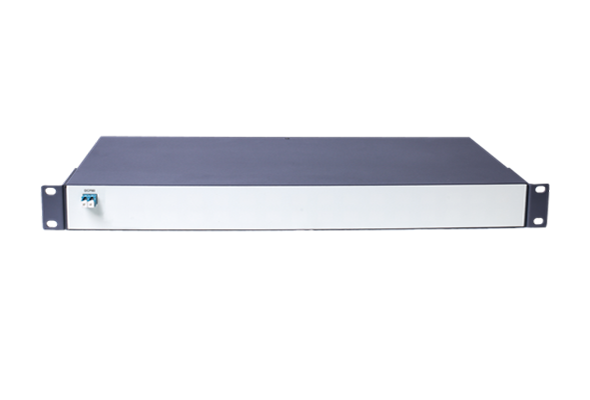
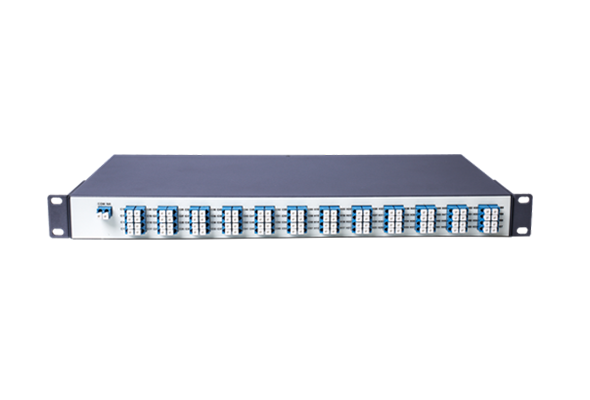
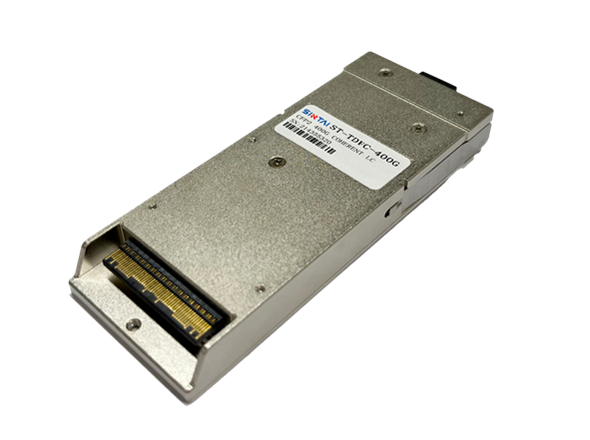
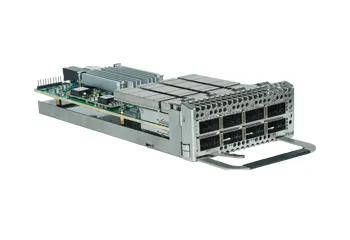
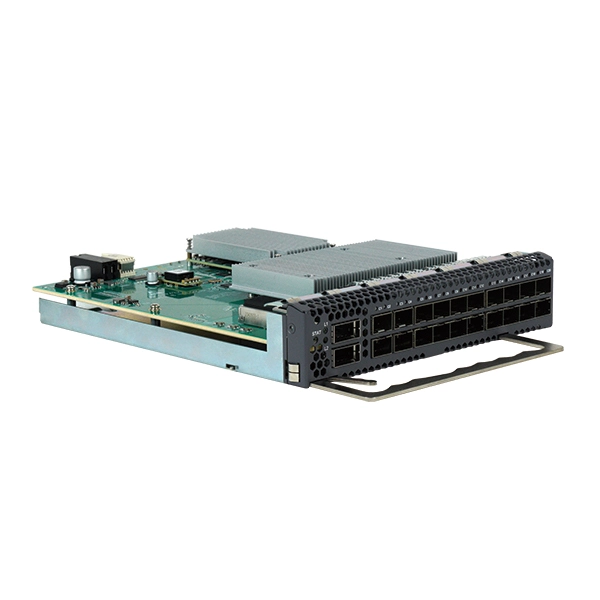
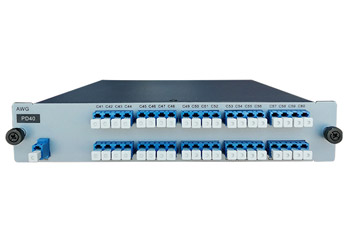
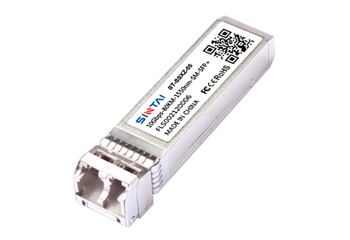
Under the ever-growing network demands, enterprise data centers and ISPs (Internet Service Providers) face challenges of low latency, data security, higher speed, and longer transmission distances. To meet these needs, transponder and muxponder—critical optical transponders and muxponders—have become core components for enhancing network performance. Both belong to optical transformation units (OTU)/wavelength conversion units in optical transport networks (OTN), but their differences are significant. This article will explore the distinctions and applications of optical transponders and muxponders in OTN networks.
Optical transponders are crucial devices to extend optical transmission distances. They ensure error-free transmission of optical signals over long distances using 3Rs (re-timing, re-shaping, and re-amplifying) technology. Optical transponders first convert the optical signal from the client side to an electrical signal, then back to an optical signal at the line side, ensuring reliability of the transmission link. Optical transponders are classified based on their data rate and signal transmission range and are widely used in backbone networks of carriers and ISPs, as well as DCI (Data Center Interconnect) networks.
In optical fiber communication, a muxponder—one of the core components in transponder and muxponder solutions—combines multiple services into a single wavelength/ uplink through the ITU optical transport network (OTN) protocol. This technology maximizes fiber capacity and reduces the number of wavelengths required for data transmission, making efficient use of fiber resources. Therefore, muxponders are an ideal choice for future network expansion, especially among carriers and ISPs, for their provision of flexible remote monitoring, link diagnostic tools, and bidirectional performance monitoring, gaining widespread application.
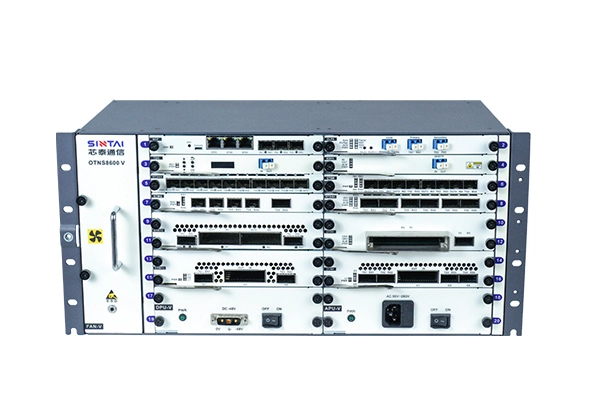
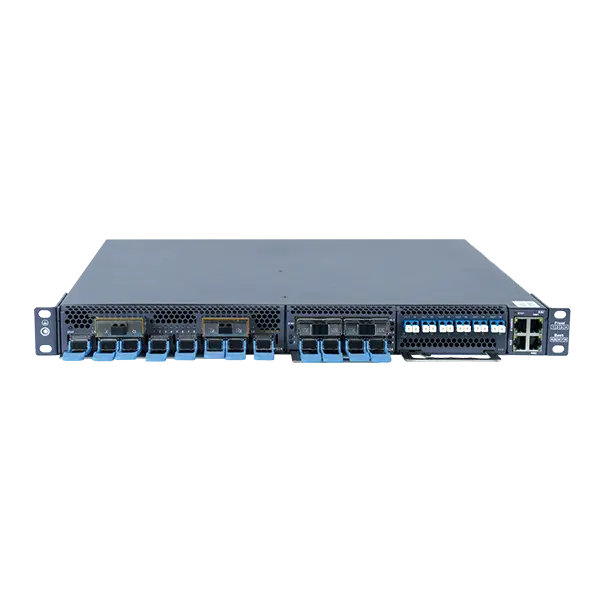
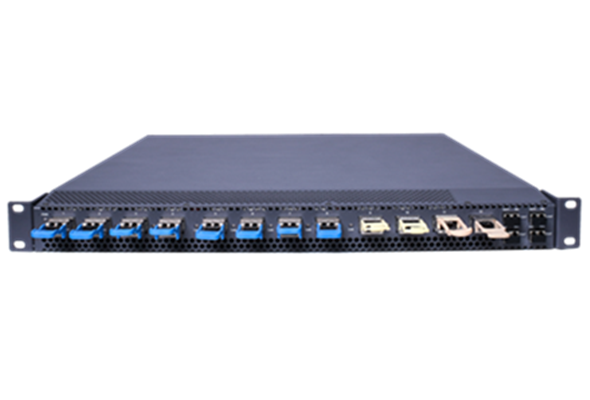
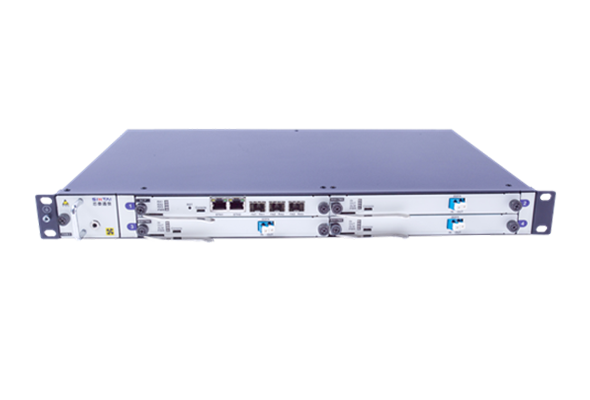
In OTN networks, both optical transponders and muxponders receive and transmit signals through optical fibers. Muxponders multiplex multiple low-capacity services into a single high-capacity wavelength/ uplink, whereas optical transponders convert each optical signal from client equipment to a specific wavelength. Compared to optical transponders, muxponders make more efficient use of fiber resources through multiplexing capabilities. To meet these varied operational demands, Sintai offers a complete portfolio of both muxponder and transponder solutions, empowering you to build the most cost-effective network.
Applications in WDM Networks
In WDM (Wavelength Division Multiplexing) networks, optical transponders and muxponders are mainly used for OEO (Optical-Electro -Optical) applications, including amplifying optical signals, converting multimode to single-mode, maximizing fiber capacity, and performing optical wavelength conversion. Through these functionalities, optical transponders and muxponders play essential roles in long-distance and high-capacity optical fiber communication.
When the network requires higher security, longer transmission distances, and higher transmission rates, optical transponders and muxponders provide ideal solutions. Especially in cases where network encryption, extending WDM network distance, or limiting optical connection bandwidth is needed, these devices can significantly enhance network performance. For instance, when transceivers fail to meet requirements, optical transponders and muxponders can automatically receive, amplify, and retransmit signals without changing the signal content, ensuring efficient network operation.
In summary, optical transponders and muxponders have distinct applications in OTN networks, and choosing the appropriate device can significantly enhance overall network performance. Whether extending transmission distance, increasing transmission speed, or optimizing fiber resource utilization, optical transponders and muxponders provide solid technical support for modern optical fiber communications.



 English
  русский
  Indonesia
  Español
  português
  العربية
  français
  Deutsch
  हिंदी
हिंदी  tiếng việt