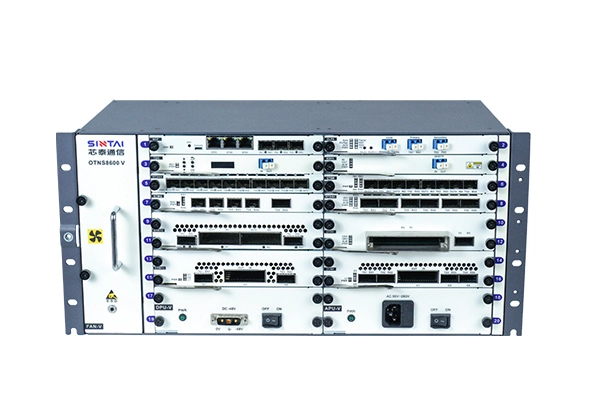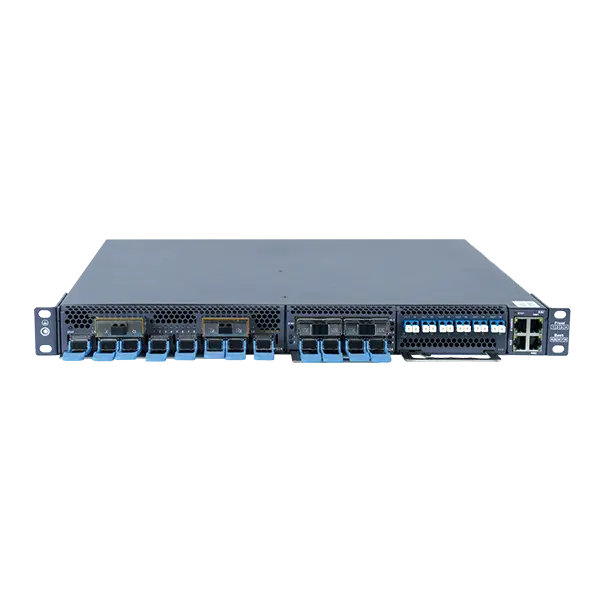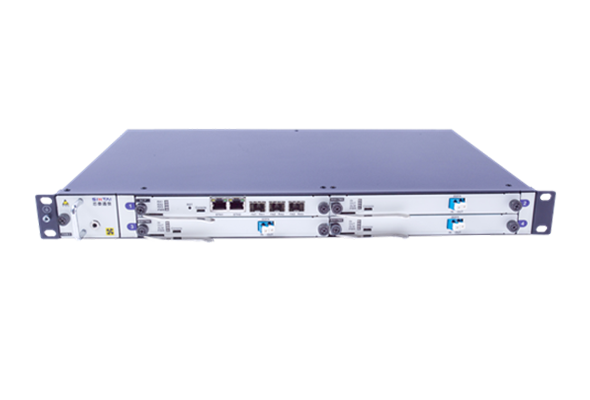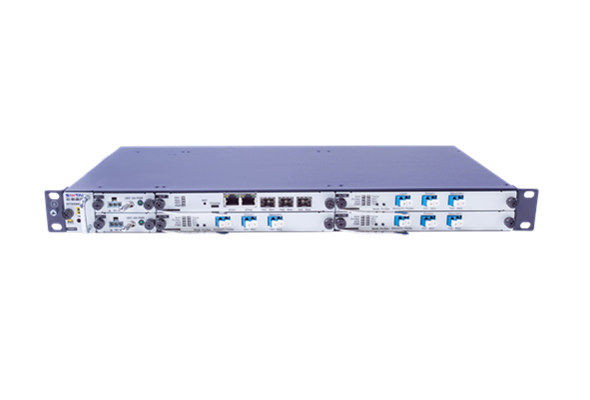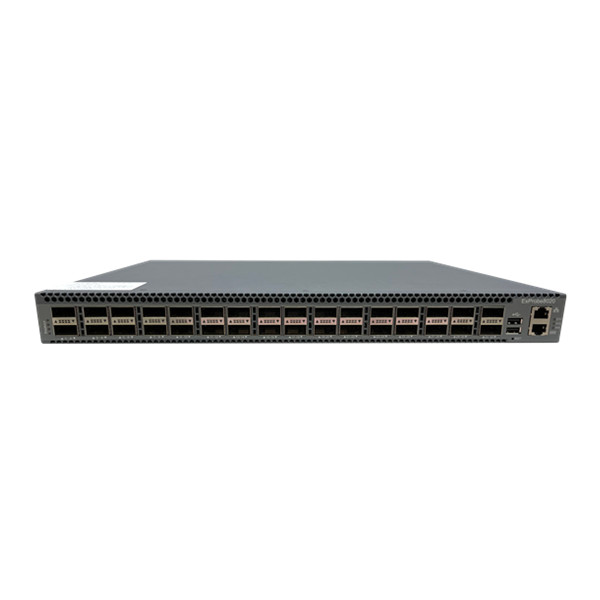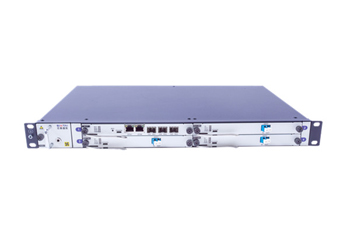

Optical networks are entering an era where flexibility matters as much as speed. The ability to move massive amounts of data is no longer the only measure of network performance; the real challenge is how efficiently operators can manage, allocate, and optimize optical resources across an increasingly connected environment.
Behind every high-performance communication network is a complex layer of optical infrastructure that must adapt to unpredictable traffic demands, diverse service requirements, and continuous expansion. When network management relies on disconnected systems and manual processes, even a powerful transmission infrastructure can become difficult to operate and maintain.
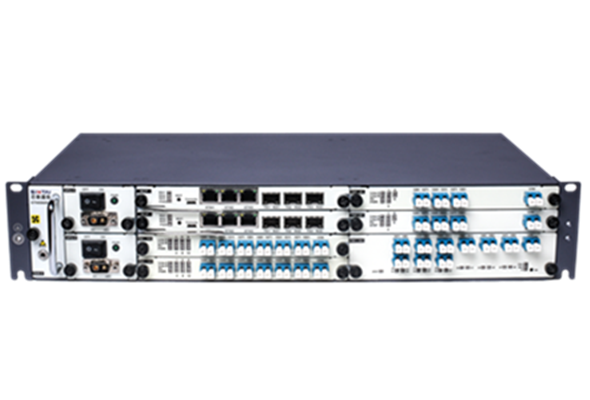
An advanced OTN platform addresses this challenge by creating a more intelligent foundation for optical network management. Through centralized control, improved resource coordination, and scalable transmission capabilities, an OTN platform helps operators simplify network operations while unlocking greater value from existing infrastructure. Supported by reliable OTN products, modern optical networks can achieve the balance between performance, flexibility, and long-term scalability.
The rapid evolution of digital communication has transformed optical networks from simple transmission channels into highly interconnected infrastructures supporting multiple applications and services. Cloud computing, data center interconnection, enterprise networking, mobile communication, and emerging digital services all require stable, high-capacity optical connections.
As network scale increases, operational challenges also become more complex. A growing number of transmission nodes, service requirements, and connectivity paths create additional pressure on network management teams. Traditional approaches that rely on independent device management often make it difficult to achieve complete visibility and efficient resource utilization.
Modern operators need to manage not only increasing traffic volumes but also changing service requirements. Different applications may require different levels of bandwidth, latency performance, and reliability. Without a unified management framework, adjusting network resources and maintaining service quality can become time-consuming and inefficient.
This shift has increased demand for intelligent optical transport solutions. An advanced OTN platform provides a structured approach to simplify network operations by improving visibility, coordination, and control across complex optical environments.

An OTN platform provides centralized capabilities that allow operators to manage optical transmission networks more efficiently. Instead of controlling separate devices individually, network teams can use an integrated system to monitor performance, allocate resources, and optimize transmission operations.
One of the major benefits of an OTN platform is improved operational visibility. By bringing important network information together, operators can better understand traffic conditions, identify potential issues, and make faster decisions when adjustments are required.
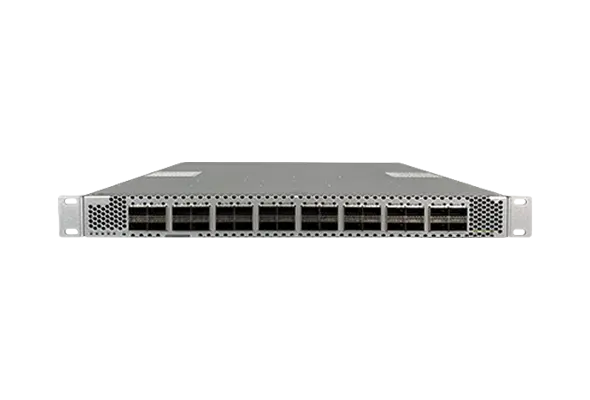
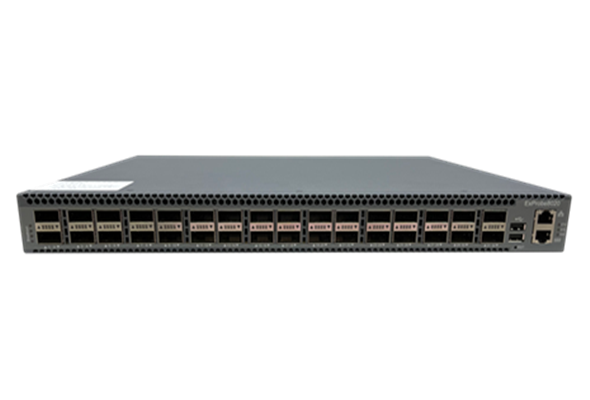
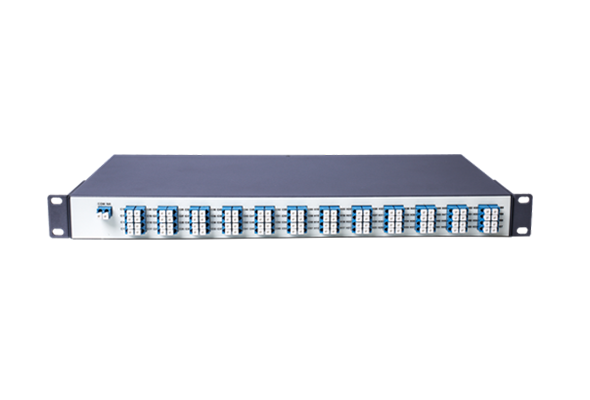
Modern OTN products are designed to support flexible optical architectures by improving coordination between transmission layers and service networks. This enables organizations to create more efficient communication infrastructures while maintaining reliable performance as network demands continue to grow.
As network architectures become more complex, having access to suitable optical transmission technologies is essential for maintaining performance, flexibility, and scalability. Optical Sintai offers advanced OTN products designed to support modern optical communication environments, covering different requirements for network construction and optimization. Learn more about the available optical transmission technologies that help enable more efficient network operations.
One of the most important challenges in large-scale optical networks is balancing service demands with available transmission resources. Increasing network capacity alone does not guarantee efficient operation because different services have different performance requirements.
For example, enterprise connectivity may prioritize stability and reliability, while data center interconnection may require extremely high throughput and low latency. A flexible network management approach is necessary to ensure that resources are allocated according to actual service needs.
An advanced OTN platform improves this process by enabling more intelligent resource management. Operators can optimize bandwidth utilization, adjust transmission resources more effectively, and support changing service requirements without significant operational disruption.
| Network Management Aspect | Traditional Optical Networks | OTN Platform-Based Networks |
|---|---|---|
| Resource Allocation | Manual configuration with limited coordination between devices | Centralized management with more efficient resource optimization |
| Service Deployment | Requires more operational effort for network adjustments | Supports faster and more flexible service provisioning |
| Network Visibility | Limited understanding across different transmission layers | Improved monitoring and management of optical resources |
| Scalability | Management becomes more difficult as networks expand | Designed to support continuous network growth |
By improving how optical resources are managed, OTN products help organizations maximize existing infrastructure investments while maintaining the flexibility needed for future service expansion.
Modern optical networks increasingly need to support multiple services through shared transmission infrastructure. Telecommunications providers, enterprises, and data center operators often depend on the same optical foundation to deliver different types of connectivity.
Managing these diverse requirements can introduce significant operational challenges. Each service may involve different configurations, performance expectations, and monitoring requirements. Without effective coordination, network complexity can increase rapidly as additional services are introduced.
An OTN platform simplifies multi-service transmission management by providing a unified environment for controlling and optimizing optical resources. This allows operators to reduce manual processes while maintaining consistent service performance.
Through advanced OTN products, organizations can improve network efficiency and create a more manageable transmission environment. This is particularly valuable for large-scale networks where operational simplicity directly affects reliability and maintenance efficiency.
Network expansion is a continuous requirement as data traffic increases and new communication applications emerge. However, simply adding more optical equipment can create additional management challenges if the network lacks effective control mechanisms.
A scalable OTN platform enables organizations to expand optical infrastructure while maintaining operational simplicity. By supporting centralized management and flexible resource allocation, it allows networks to grow without creating unnecessary complexity.
Modern OTN products provide the foundation for sustainable optical network development by supporting increasing capacity requirements and evolving service models. Whether expanding existing infrastructure or upgrading communication capabilities, an intelligent optical platform helps organizations achieve long-term network efficiency.
Every optical network deployment involves different considerations, including transmission capacity, service requirements, and future scalability. Understanding these factors is important when planning an efficient network architecture. Optical Sintai provides technical support to help customers evaluate suitable approaches for their optical communication needs. More details about project discussions and technical communication are available through Optical Sintai’s solution consultation service.
In modern communication architectures, an OTN platform serves as a critical component within the optical transport layer. It provides the infrastructure required to move large amounts of data efficiently while maintaining flexibility and reliability across different network environments.
A complete communication network usually includes access networks, aggregation networks, and core transmission networks. The optical transport layer connects these different sections and ensures that data can move efficiently between users, applications, and service platforms.
Within this architecture, OTN products improve the management and performance of optical transmission systems by supporting better resource coordination, higher visibility, and more efficient service delivery.
As communication networks continue moving toward higher capacity and greater intelligence, the role of the OTN platform will become increasingly important. It provides operators with the tools needed to simplify existing operations while preparing infrastructure for future technology development.
The growing complexity of optical networks requires more than simply increasing transmission capacity. Organizations need solutions that improve operational visibility, simplify management processes, and optimize resource utilization. An advanced OTN platform provides an effective approach by integrating optical transmission capabilities with intelligent network management.
Through centralized control, flexible scalability, and efficient service management, modern OTN products help communication networks become more reliable, adaptable, and easier to operate. As digital connectivity continues expanding, selecting the right optical transport platform will play an important role in building future-ready network infrastructures.
An OTN platform is an optical transport solution that integrates transmission, management, and resource control capabilities to simplify the operation of large-scale optical networks.
OTN platforms help operators manage increasing bandwidth requirements, support multiple services, and improve network scalability through centralized management.
OTN products improve efficiency by optimizing resource utilization, simplifying service management, and providing better visibility into network performance.
Yes. An OTN platform can support different service types, including enterprise connectivity, data center transmission, and telecommunications applications.
It reduces complexity by providing centralized monitoring, configuration management, and resource optimization instead of requiring separate management of individual optical devices.
Organizations should evaluate scalability, compatibility, management capabilities, reliability, and future expansion requirements when selecting OTN products.




 English
  русский
  Indonesia
  Español
  português
  العربية
  français
  Deutsch
  हिंदी
हिंदी  tiếng việt