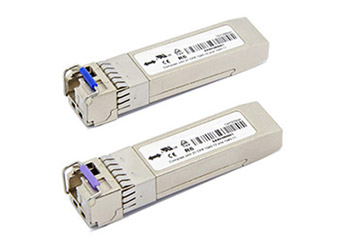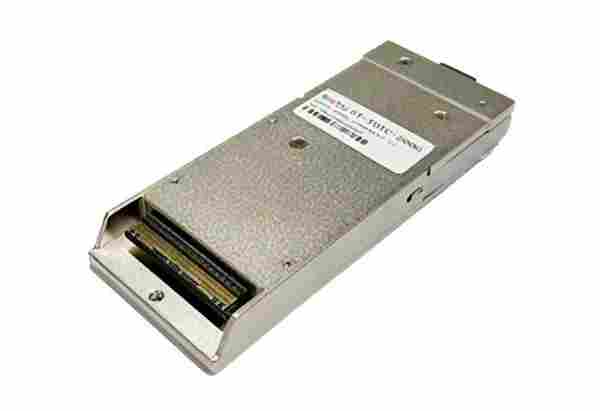

When network traffic reaches the 100G level, the optical module becomes more than a simple signal converter. It directly affects transmission distance, network stability, power efficiency, and the overall reliability of the optical system. For telecom operators, data center teams, and network engineers, selecting a suitable optical module is an important part of optical network planning.
The CFP optical module was developed to support high-speed optical communication by integrating optical transmission components, electronic circuits, and monitoring functions into a standardized pluggable design. Inside the module, electrical signals from switches or routers are converted into optical signals, transmitted through fiber links, and converted back into electrical signals at the receiving side.
Although newer form factors such as the CFP2 optical module provide higher port density and improved power efficiency, CFP modules continue to be used in many 100G optical networks because of their mature technology, compatibility, and reliable transmission performance.
Understanding how a CFP optical module works helps engineers select suitable transceivers, optimize network performance, and plan future upgrades more effectively. This article explains the internal design, signal conversion process, application scenarios, and future development direction of CFP optical modules in modern optical networks.
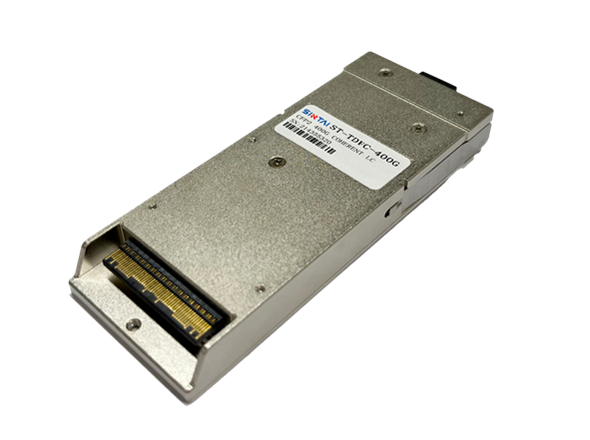
A CFP optical module is a complex optoelectronic device that combines optical components and electronic circuits to complete high-speed data transmission. Although the module appears as a compact plug-in component from the outside, its internal structure involves multiple precision components working together.
The transmitting section of the module receives electrical signals from network equipment and processes them through integrated electronic circuits. The processed signals then drive optical components, such as laser transmitters, to generate optical signals that travel through fiber cables.
On the receiving side, photodetectors capture incoming optical signals and convert them back into electrical signals. Additional processing circuits restore the signal quality and prepare the data for delivery to the connected network equipment.
Beyond signal conversion, a CFP optical module also includes monitoring functions that allow engineers to check operating conditions such as temperature, voltage, and optical power. These diagnostic features are valuable in large-scale networks because they help operators identify performance changes before they lead to service interruptions.
The original CFP form factor was designed to support high-speed optical applications, especially 100G transmission. As network equipment manufacturers focused on increasing port density, smaller solutions such as the CFP2 optical module were introduced. CFP2 maintains many of the advantages of CFP technology while reducing physical size and improving deployment flexibility.
For network projects requiring different transmission distances, interfaces, and application environments, choosing the right optical module is essential. Optical Sintai provides various optical communication products designed for different networking requirements, which can be viewed through its optical module product portfolio.

The working principle of a CFP optical module can be understood as a continuous process of electrical-to-optical and optical-to-electrical conversion.
When a network device sends high-speed electrical data to the module, the internal electronic components first prepare the signal for optical transmission. The transmitter section then controls the laser source to generate optical pulses that represent the original data information.
These optical signals travel through fiber infrastructure to another network location. At the receiving end, the optical receiver detects the incoming light signals and converts them back into electrical signals that can be processed by switches, routers, or optical transport equipment.
The entire process requires precise control because signal quality can be affected by factors such as transmission distance, optical loss, temperature changes, and component performance. A well-designed CFP optical module uses advanced optical alignment and electronic control technologies to maintain stable transmission.
Compared with earlier optical solutions, CFP modules support more advanced monitoring and management capabilities. Network operators can use digital diagnostic information to evaluate module health, check operating conditions, and perform maintenance more efficiently.
Although optical communication technology continues to develop, the cfp optical module remains an important solution in many 100G optical networks. Its continued adoption is mainly related to reliability, equipment compatibility, and existing network investment.
Many telecom networks and enterprise optical infrastructures were built around 100G transmission systems. Replacing all existing optical equipment is often expensive and disruptive, so CFP modules continue to provide practical value in these environments.
| Optical Module Type | Main Characteristics | Suitable Deployment Scenarios |
|---|---|---|
| CFP Optical Module | Established 100G technology with strong compatibility and reliable transmission performance | Existing 100G optical networks, telecom transport systems, and long-distance links |
| CFP2 Optical Module | Smaller form factor with improved density and lower power requirements | High-density networking environments and newer 100G deployments |
| Other Compact Form Factors | Designed for further integration and efficiency improvements | Applications requiring maximum port density and reduced power consumption |
The choice between a CFP and a CFP2 optical module depends on the actual network environment. A telecom operator upgrading an existing system may prioritize compatibility, while a new data center deployment may place more emphasis on space efficiency and power management.
Rather than selecting an optical module only based on size or speed, engineers usually evaluate the complete network design, including equipment compatibility, fiber infrastructure, transmission distance, and future upgrade plans.
The performance of a CFP optical module depends on more than its transmission speed. Engineers need to consider several technical factors before integrating modules into an optical network.
Thermal performance is one of the major considerations. High-speed optical modules generate heat during operation, and excessive temperature changes can affect laser stability and signal quality. Effective heat management helps maintain consistent performance during continuous operation.
Power consumption is another important factor, especially in large data centers and communication facilities where thousands of optical modules may operate simultaneously. This demand has contributed to the development of solutions such as the CFP2 optical module, which provides a smaller design with improved efficiency.
Compatibility is equally important. Before deployment, engineers must confirm that the selected module matches the network equipment, optical interface standards, fiber type, and required transmission distance.
Manufacturing quality also directly affects long-term reliability. Optical modules used in carrier-grade and industrial environments require strict testing to ensure stable operation under different working conditions.
In real optical infrastructure projects, deploying a CFP optical module involves more than inserting the module into network equipment. Engineers first need to evaluate the application environment and confirm that the module matches the system design.
During installation, technicians check optical connections, signal parameters, and communication compatibility. After the module is integrated into the network, testing is performed to verify optical power levels, transmission quality, and overall system performance.
For large-scale networks, ongoing monitoring is essential. Network teams use diagnostic information from optical modules to track operating conditions and identify possible problems. This proactive approach helps reduce unexpected downtime and improves maintenance efficiency.
When upgrading existing systems, engineers often compare traditional CFP solutions with newer options such as the CFP2 optical module. The final decision usually depends on network goals, equipment lifecycle, available space, and future expansion plans.
Optical Sintai supports customers in evaluating optical communication requirements and selecting suitable module solutions for different applications. For project consultation or technical discussions, customers can contact the team through the Optical Sintai contact page.
The development of optical networks is moving toward higher capacity, smaller form factors, and improved energy efficiency. In this changing environment, the role of the CFP optical module is becoming more specialized rather than disappearing.
Existing 100G networks will continue using CFP modules where reliability and compatibility are important. At the same time, newer designs such as the CFP2 optical module provide additional flexibility for network operators building higher-density infrastructures.
The evolution of optical modules reflects a broader industry trend: improving network performance while making infrastructure easier to manage and expand. Future optical deployments will likely continue combining different module technologies based on specific application requirements.
For network engineers, understanding the advantages and limitations of each optical module type is essential for making practical decisions during network upgrades and new construction projects.
A CFP optical module plays an important role in high-speed optical communication by converting electrical signals into optical transmissions and supporting reliable data exchange across fiber networks. Its internal optical components, electronic circuits, and monitoring functions work together to maintain stable performance in demanding environments.
While technologies such as the CFP2 optical module have introduced smaller designs and improved efficiency, CFP modules remain valuable in many 100G optical networks because of their maturity and compatibility.
By understanding how CFP optical modules operate and what factors influence their performance, network operators can make better decisions when designing, upgrading, and maintaining optical infrastructure.
A CFP optical module is a high-speed optical transceiver designed to convert electrical signals into optical signals for fiber communication networks, especially 100G applications.
A CFP optical module converts electrical data into optical signals through a laser transmitter and converts received optical signals back into electrical data through a photodetector.
CFP2 optical modules have a smaller size and improved density compared with CFP modules, making them suitable for applications requiring more efficient use of space.
Yes. CFP optical modules are still used in many 100G optical networks where compatibility, reliability, and stable performance are important.
Engineers consider factors such as transmission distance, equipment compatibility, power consumption, fiber type, and network application requirements.
Regular monitoring, proper installation, and selecting reliable optical products help maintain stable CFP optical module operation.



 English
  русский
  Indonesia
  Español
  português
  العربية
  français
  Deutsch
  हिंदी
हिंदी  tiếng việt