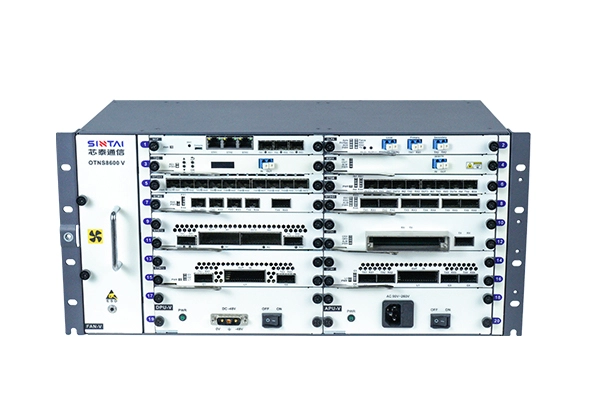
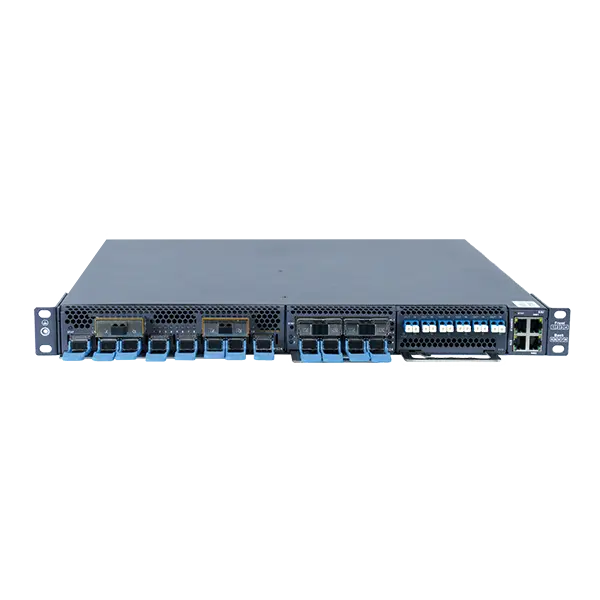
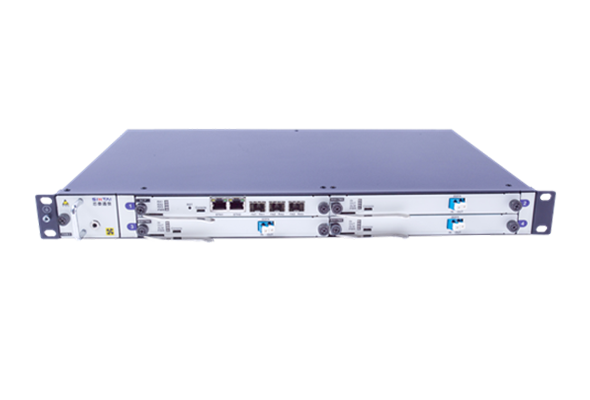
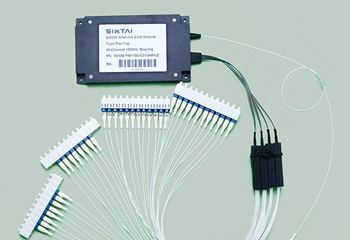
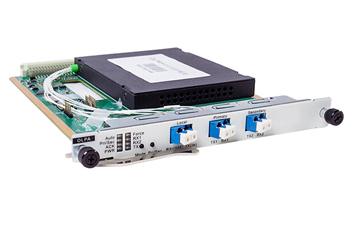
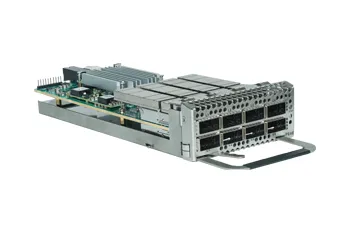
Optical transponders and optical transceivers are both used to move data through fiber-optic networks, but they do not necessarily perform the same job. The distinction becomes especially important in DWDM systems, OTN networks, long-distance optical transport, and data center interconnection, where interface types, transmission distance, wavelength requirements, and network architecture all influence equipment selection.
At a basic level, an optical transceiver generally combines a transmitter and receiver in one module, allowing electrical data to be converted into an optical signal and received back from the fiber. An optical transponder, by comparison, is typically used to adapt, regenerate, or convert a client-side optical signal into a wavelength and format suitable for transmission over an optical transport system. The exact functionality varies by product architecture, so the terms should not be treated as interchangeable in every application.
Understanding the difference between a transponder in optical network architecture and a conventional transceiver helps network engineers determine where each device belongs in the signal path. It also makes it easier to evaluate the different types of transponder available for DWDM, OTN, and other optical transport applications.
The easiest way to understand the difference is to look at what happens to a signal as it enters and leaves the equipment.
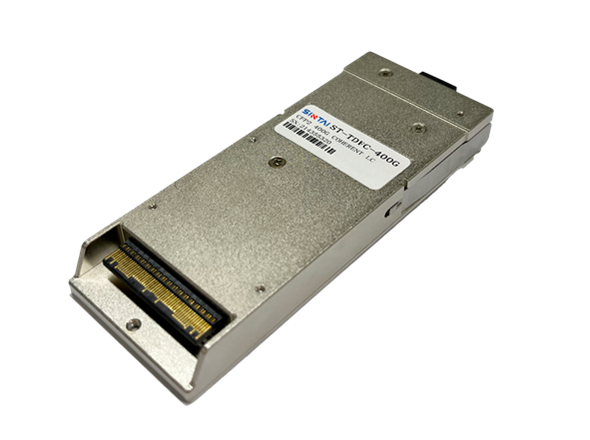
An optical transceiver normally provides two fundamental functions within the same module: transmission and reception. On the transmit side, electrical data is converted into an optical signal. On the receive side, an incoming optical signal is converted back into an electrical signal. Pluggable transceivers are widely used at equipment interfaces such as switches, routers, servers, and transport equipment.
An optical transponder can perform a more specific transport-layer role. In a typical DWDM application, the client equipment may generate a signal using an optical wavelength or interface that is not directly suitable for the dense wavelength-division multiplexing system. The transponder receives that client signal and provides an appropriate line-side optical signal for transmission through the DWDM network.
This means that a transponder in optical network architecture can act as an interface between the client side and the optical transport layer. Depending on its design, it may perform functions such as wavelength conversion, signal regeneration, protocol adaptation, multiplexing-related processing, or OTN mapping.
The distinction is not absolute, however. Modern optical equipment increasingly integrates multiple functions into compact platforms, and some product categories overlap in terminology. For this reason, engineers should examine the actual signal flow and specifications rather than choosing equipment based only on whether the product is called a transponder or transceiver.
The primary difference lies in their intended network roles. A transceiver is generally an endpoint or equipment-interface component, while a transponder is more closely associated with adapting client traffic for transport across an optical network.
| Characteristic | Optical Transceiver | Optical Transponder |
|---|---|---|
| Primary role | Transmit and receive optical signals at an equipment interface | Adapt or convert client signals for optical transport |
| Typical position | Switch, router, server, or transport equipment port | Between client equipment and an optical transport system |
| Signal conversion | Electrical-to-optical and optical-to-electrical conversion | May provide wavelength, format, protocol, or transport-layer adaptation |
| Common applications | Ethernet networks, data centers, short- and long-distance fiber links | DWDM, OTN, optical transport, wavelength conversion |
| Network dependency | Often selected according to the host equipment interface | Usually selected according to both client and line-side requirements |
| Deployment considerations | Form factor, interface rate, wavelength, fiber type, and reach | Client interface, line wavelength, transport format, reach, and network architecture |
A transceiver is often selected by matching the module to the port in which it will be installed. For example, the host device may specify a particular interface type, data rate, optical wavelength, and supported transmission distance. Compatibility with the host system is therefore a central consideration.
A transponder typically involves more variables because it sits between two sides of the network. The client side may use one interface or signal format, while the line side needs to comply with the requirements of the optical transport system. This additional adaptation function is one reason there are many different types of transponder designed for different transport environments.
The concepts of client side and line side are particularly useful when examining optical transponders.
The client side is connected to the equipment or service that generates the traffic. This could be a router, switch, server, storage system, or another network device. The line side connects toward the optical transport network and is designed according to the requirements of that network.
In a DWDM deployment, for example, the client-side interface may accept an Ethernet or other service signal, while the line-side interface provides a specific optical wavelength for transport through the DWDM system. The transponder effectively creates an interface between the service and the wavelength-based transport layer.
This is a key characteristic of a transponder in optical network architecture. The device is not simply transmitting and receiving data; it may be responsible for making the client signal compatible with the transport environment.
A transceiver, in contrast, is usually much closer to the network equipment port itself. A switch may have a pluggable optical transceiver installed directly into its interface, with the module providing the optical connection to another device or optical system.
There are situations where the distinction becomes less obvious, particularly when modern coherent optics and integrated transport platforms combine functions that were traditionally associated with separate transponders. For procurement and engineering purposes, the interface architecture and actual supported functions should therefore take priority over terminology.

The most useful way to compare these technologies is to examine where they are deployed.
In DWDM networks, optical transponders are commonly used to adapt client signals for wavelength-based optical transport. A transponder can receive a client signal and generate an appropriate line-side wavelength that can be multiplexed with other wavelengths onto the same fiber. This makes transponders particularly relevant to long-distance and high-capacity optical transport architectures.
OTN networks introduce additional transport-layer functionality. Depending on the platform, a transponder may support OTN framing, mapping, switching, performance monitoring, or other transport functions. In this environment, the selection of the appropriate types of transponder depends on factors such as client interfaces, transport rates, required functions, and the structure of the OTN network.
Data center networks often have a different emphasis. Optical transceivers are widely used to connect switches, servers, routers, and other equipment through fiber. Here, the primary concerns are usually interface compatibility, data rate, optical reach, fiber type, wavelength, power consumption, and interoperability.
This does not mean transponders have no role in data center environments. As data center interconnection extends over longer distances and becomes more dependent on DWDM or other optical transport technologies, transponder-based architectures may become relevant between the data center equipment and the transport network.
The distinction can therefore be summarized by looking at where the device sits in the architecture. A transceiver is generally an optical interface within network equipment, while a transponder is more commonly associated with adapting traffic between a client service and a transport system.
Choosing between a transponder and transceiver should begin with the network architecture rather than the device name. The same optical interface technology can have very different requirements depending on whether it is connecting two switches, linking a data center to a DWDM network, or adapting a client service for an OTN transport platform.
For transceivers, compatibility with the host equipment is usually one of the first questions. Engineers need to verify the supported form factor, interface standard, data rate, optical wavelength, fiber type, transmission distance, and interoperability requirements.
For a transponder, the design process generally needs to consider both sides of the connection. The client interface must match the service equipment, while the line side must match the optical transport system. This makes system-level compatibility especially important.
The different types of transponder available on the market reflect these varying requirements. Some are designed around specific client and line-side rates, while others incorporate additional OTN or wavelength-related functions. The correct choice depends on the transport architecture rather than simply the nominal data rate.
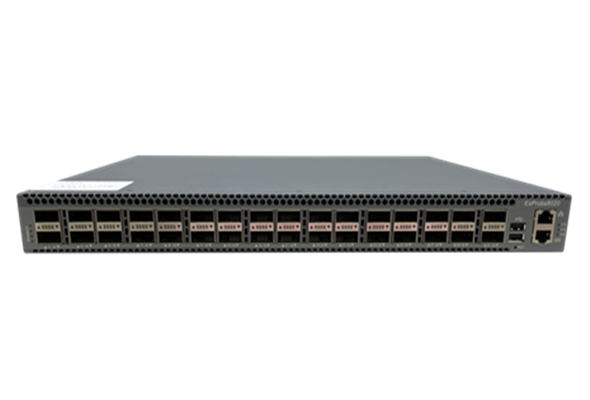
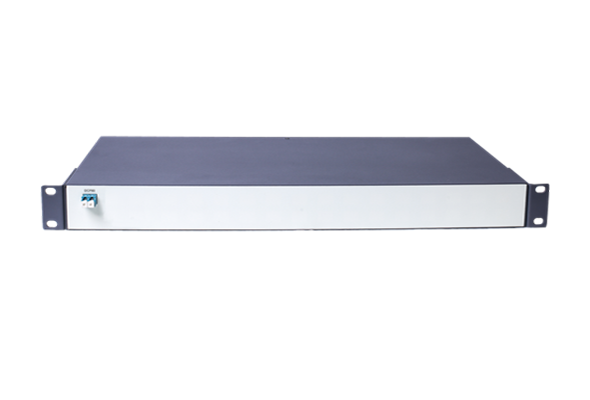
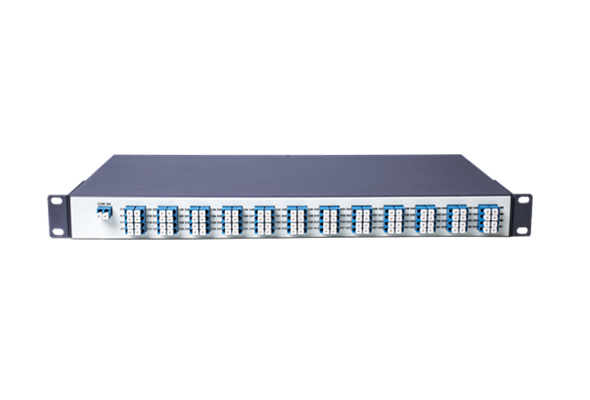
For network operators reviewing available solutions, Sintai's range of optical transport products can be examined in the context of the intended network application, interface requirements, and transport architecture. This approach is more useful than comparing equipment solely by individual specifications because the compatibility between client-side and line-side functions ultimately determines whether a solution fits the network.
Data rate is an obvious starting point, but it should not be the only selection criterion. A device must support the required service rate while also matching the transmission environment and network architecture.
Transmission distance is another major consideration. A short data center connection may require a very different optical solution from a long-distance DWDM link. Fiber type, optical budget, wavelength, dispersion characteristics, and other link conditions should be considered when determining whether a particular transceiver or transponder is appropriate.
Network architecture is perhaps the most important factor when deciding between the two. If the device is simply providing an optical interface between two network devices, a suitable transceiver may be sufficient. If the application requires client-side and line-side adaptation, wavelength conversion, OTN processing, or integration with a DWDM transport system, a transponder may be more appropriate.
Engineers should also consider whether the network is expected to evolve. A solution that satisfies today's bandwidth requirement may become difficult to manage if additional wavelengths, higher data rates, or new client services are introduced later. Scalability and interoperability can therefore be just as important as the initial equipment cost.
For projects where the distinction between a transponder and transceiver is not straightforward, it is useful to define the complete signal path before selecting equipment. Providing information about the client interface, line-side requirements, transmission distance, fiber infrastructure, data rate, and intended application allows the equipment configuration to be evaluated in the correct context. Organizations with project-specific requirements can contact Sintai's optical networking team for technical consultation and discuss the proposed architecture before final equipment selection.
The difference between an optical transponder and an optical transceiver is primarily related to their position and function within the network. A transceiver generally provides the transmit-and-receive optical interface of network equipment, while a transponder is more often used to adapt client traffic to the requirements of an optical transport system.
A transponder in optical network architecture becomes particularly useful when client services need to be connected to DWDM or OTN transport layers. By contrast, optical transceivers are widely used directly in switches, routers, servers, and other network devices. The distinction becomes clearer when the complete signal path, rather than the product name alone, is considered.
There are also multiple types of transponder, each suited to different combinations of client interfaces, line-side wavelengths, data rates, and transport functions. As optical networks become more integrated, some equipment may combine characteristics traditionally associated with both transponders and transceivers, making detailed specification review increasingly important.
For network operators and system integrators, the most appropriate solution ultimately depends on data rate, transmission distance, interface compatibility, wavelength requirements, and overall network architecture. Evaluating these factors together helps ensure that the selected optical equipment fits the actual transport environment rather than simply meeting an isolated specification.
A transceiver primarily provides optical transmission and reception at a network equipment interface. A transponder generally provides additional adaptation between a client-side service and an optical transport network, such as DWDM or OTN.
A transponder in optical network architecture typically sits between client equipment and the optical transport layer. It can adapt client signals to the wavelength, format, or transport requirements of the optical network.
Types of transponder can be differentiated by client interface, line-side interface, data rate, wavelength, transport technology, and supported functions. DWDM and OTN applications may require different transponder configurations.
Not necessarily. Although both can transmit and receive optical signals, a transponder may provide additional client-to-line adaptation functions that a conventional transceiver does not provide.
A transponder is commonly used when a client service needs to be converted or adapted into a wavelength suitable for DWDM transport. The exact configuration depends on the client interface and DWDM system architecture.
Start with the complete network architecture. Consider the client interface, line-side requirements, data rate, transmission distance, wavelength, fiber type, optical budget, and whether DWDM or OTN functions are required.



 English
 русский
 Indonesia
 Español
 português
 العربية
 français
 Deutsch
 हिंदी
 tiếng việt